
When a Parked Car Turns Into a Problem
Doesn’t that sound like a familiar scenario: a car sits quietly in a driveway or along the curb, untouched for days that turn into weeks. At first, nothing seems wrong. Then one day, it refuses to start, leaving the owner guessing what went wrong. This is where questions about US-15 towing start to come up, especially when the vehicle no longer responds.
We spend a lot of time around vehicles that have been left sitting too long, and the pattern is always the same. Time affects every part of a car, even when it’s not in motion. Knowing how long a car can sit before issues begin helps avoid bigger problems later.
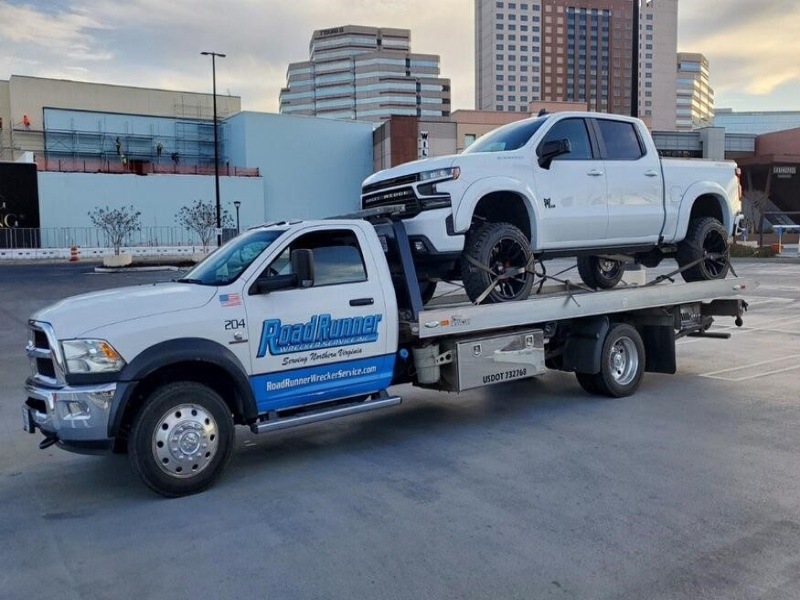
What Happens When a Car Sits Too Long
A car doesn’t need to be driven every day, but it does need occasional attention. When it sits idle, several systems begin to degrade. The battery slowly loses charge, fluids settle, and rubber components begin to dry out.
Fuel also plays a role. Gasoline can start to break down after about a month, especially in changing temperatures. That breakdown can clog parts of the fuel system and make starting the car harder. We often get calls where the root issue traces back to old fuel and a drained battery.
Battery Drain and Electrical Issues
The battery is usually the first thing to fail. Even when the car is off, small systems continue to draw power. Over time, that drains the battery completely.
Once the battery dies, other issues can follow. Corrosion may build up on terminals, and restarting the system becomes less reliable. If the car sits for a few months, a simple jump may not solve the problem.
Tire and Brake Deterioration
Tires don’t hold up well under long periods of inactivity. Flat spots can form where the tire meets the ground, especially if the car stays parked in one place.
Brakes can also suffer. Moisture builds up on the rotors, leading to rust. That rust can cause grinding sounds or reduced stopping ability once the car moves again. We often see vehicles needing US-15 towing because the driver doesn’t feel safe attempting to move them.
Fluid Breakdown and Engine Trouble
Fluids inside the car are designed to circulate. When they sit still, they lose effectiveness. Oil can settle, coolant can degrade, and seals may dry out.
If the engine runs after sitting too long, it may not receive proper lubrication right away. That delay can increase wear. In some cases, the car won’t start at all, which leads to another call for US-15 towing to get it checked out.
How Long Is Too Long?
The timeline varies depending on the vehicle and conditions, but we generally see these patterns:
- 1–2 weeks: Usually no major issues
- 1 month: Battery begins to weaken, fuel starts degrading
- 2–3 months: Higher chance of no start, tire and brake concerns
- 6+ months: Significant mechanical risks and possible system failure
Regularly starting the car and letting it run can help, but it’s not always enough. Driving it occasionally keeps everything working as intended.
Keeping Your Car Ready to Go
There are simple ways to prevent a car from falling into disrepair:
- Start the engine at least once a week
- Drive it for short distances when possible
- Keep the fuel tank at least half full
- Check tire pressure regularly
- Disconnect the battery for long-term storage
These small steps can reduce the chances of needing US-15 towing later. Still, life gets busy, and cars end up sitting longer than planned.
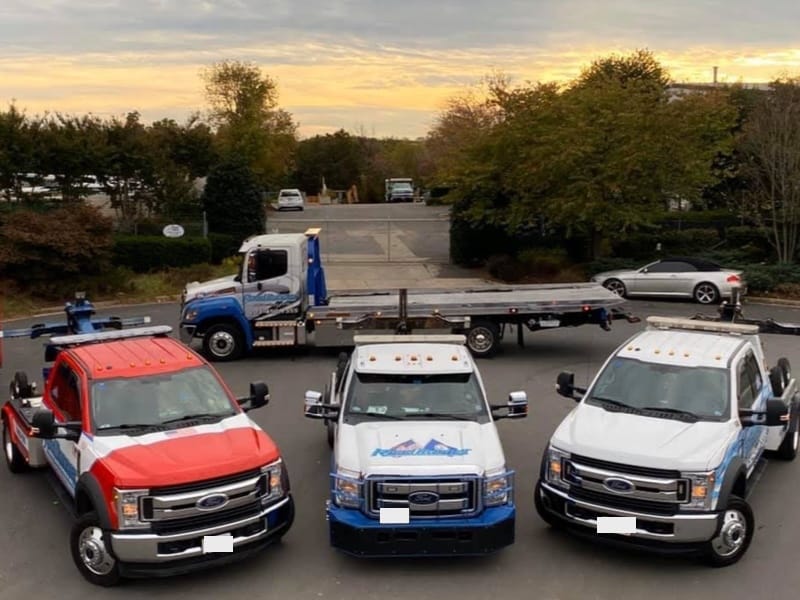
Road Runner Wrecker Service Delivers US-15 Towing You Can Count On
At Road Runner Wrecker Service, we see firsthand how time affects vehicles. Calls for US-15 towing often come from situations where a car has been sitting longer than expected. We help move vehicles that won’t start, feel unsafe to drive, or need attention after months of inactivity.
Our team handles stalled vehicles, long-term parked cars, and unexpected breakdowns tied to inactivity. If your car has been sitting and refuses to cooperate, our US-15 towing service offers a practical way to get it where it needs to go.
FAQs
How often should I start a car that isn’t being driven?
Starting it once a week helps keep the battery active and fluids moving. Let it run for several minutes so systems can warm up.
Can old gas really stop a car from starting?
Yes, fuel can lose its effectiveness over time. It may not ignite properly and can leave residue in the system.
Is it bad to leave a car parked outside for long periods?
Exposure to weather can speed up wear on rubber parts, paint, and metal surfaces. Moisture also increases the chance of rust forming.
Will driving short distances prevent problems from sitting?
Short trips help, but longer drives are better. They allow the engine and fluids to reach full operating temperature.
What are early signs that a parked car is developing issues?
Slow engine cranking, warning lights, or unusual smells are common clues. You might also notice low tire pressure or stiffness when moving.
Should I disconnect the battery for long-term storage?
Disconnecting the battery can help preserve its charge. It is a simple step that reduces the chance of a dead battery later.