
A Busy Dispatch Office on a Tuesday
The phones in a heavy haul dispatch office ring more than one would expect. Because the reasons for it are plenty. A construction firm needs a 90,000-pound generator moved from a job site. A fleet manager calls about a stuck rig on a mountain shoulder. A repeat customer wants a permit estimate for next month. By the end of a Tuesday, the planning board carries a dozen towing jobs in various stages, and an I-81 heavy transport for the end of the week is already on the list.
Heavy haul planning is rarely the work of one person; it is a coordinated effort across a team that has built handoffs into the way it operates.
A planned heavy haul touches more hands than the customer ever sees. From the dispatcher who takes the call to the mechanic who finishes the pre-trip, every team member plays a part in getting the load there on time and undamaged.
The Dispatcher and the First Call
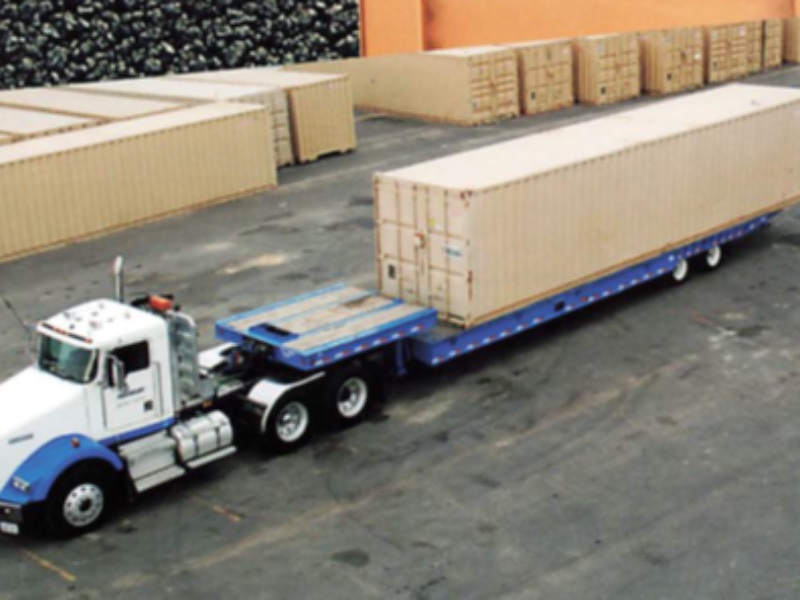
The first conversation a customer has with the dispatcher shapes the whole job. Our dispatcher gathers the load weight, dimensions, pickup and delivery details, and any time windows up front. They ask about overhang, access, and any unusual cargo behavior, then book the rig and the route while the customer is still on the line.
That first call sets expectations too. Honest timelines, accurate quotes, and a clear list of what the customer needs to provide save days of back-and-forth later. The dispatcher who slows down to ask one more question saves the road crew from a wrong-trailer trip.
The Permits Coordinator
On a multi-state load, permits become a job of their own. A dedicated permits coordinator pulls the state DOT requirements, files applications across each state crossed, and tracks lead times so nothing lands in the driver’s hand at the wrong moment. A multi-state haul from Pennsylvania down to North Carolina may cross five jurisdictions, each with their own forms and fees.
This work happens in the background, but it is the difference between a smooth job and a Friday afternoon scramble. A permits coordinator who has built relationships with state offices can get answers in hours.
The Driver and the Pre-Trip
A pre-trip inspection before an I-81 heavy transport is not five minutes. Drivers walk the truck and trailer head to tail, checking tire pressure, light function, brake adjustment, fluid levels, fifth wheel position, and tie-down anchor condition. They also look at the cargo if it loaded the night before, since loads can shift while sitting.
A driver who finds a slow tire leak or a missing strap before pulling out of the yard saves an entire day. That habit is one of the things experienced I-81 heavy transport crews are known for.
The Mechanic and the Backup Plan
The mechanic does not just fix problems; the shop prevents them. Before any big run, the team walks through brake systems, fifth wheel grease, hydraulic fluid levels on lowboys, and air system integrity. Anything questionable gets fixed before the load goes on.
A short list helps the mechanic catch the things that matter most:
- Brake adjustment within DOT spec on every wheel
- Tire tread, pressure, and sidewall condition checked under load
- All lights working, including marker lights on overwidth loads
- Lubrication on king pin, fifth wheel, and any folding ramps
- Air system holds pressure overnight without bleeding down
When the mechanic, the driver, and the dispatcher communicate well, the rig goes out ready. An I-81 heavy transport handled by a coordinated shop reaches the customer with the same care it left the yard with.
Road Runner Wrecker Service on I-81 Heavy Transport and the Team Behind Every Mile
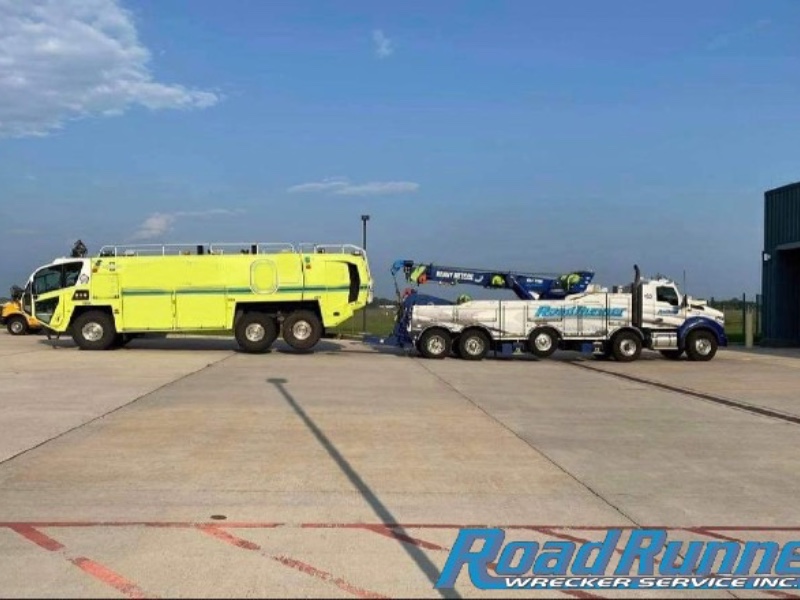
At Road Runner Wrecker Service, every I-81 heavy transport job runs through more than 200 team members across our operation. From dispatch to drivers, permits to mechanics, accident recovery to truck inspections, each piece is part of the same machine. We invest in training, in modern equipment, and in the kind of culture that keeps experienced operators around for the long haul.
If you have an I-81 heavy transport on the calendar or a load that needs to move across the Mid-Atlantic, our team is ready to plan the route, prep the rig, and answer the call. One number connects you to a crew that has been doing this work for decades.
Frequently Asked Questions
How are heavy haul drivers trained for big rigs?
Heavy haul drivers typically hold a Class A CDL, complete in-house or industry training on rigging and load securement, and ride along with senior drivers before running solo. Many carriers also send their teams to recovery and operator certification programs offered by industry associations. Ongoing training continues throughout a driver’s career.
What is an ELD and why does every heavy haul driver use one?
An Electronic Logging Device tracks driving hours, rest periods, and engine activity automatically. Federal hours-of-service rules limit how long a commercial driver can be behind the wheel, and the ELD enforces those limits. Heavy haul routes that exceed an 11-hour driving window require a relief driver or an overnight stop.
Does the same crew handle the entire route, or do drivers change?
It depends on the distance. Single drivers handle shorter runs that fit within hours-of-service rules. Long multi-day hauls often use team driving, with two drivers swapping shifts so the rig keeps moving while the off-duty driver sleeps in the cab. Carriers match crew structure to the trip length.
How do dispatchers communicate with drivers on the road?
Most heavy haul carriers use a combination of cell phones, in-cab fleet apps, and sometimes satellite communications for remote areas. Drivers send location updates, photos of any issues, and arrival confirmations. Dispatchers can push route changes, weather alerts, and customer messages back to the cab in real time.
What does a 24/7 dispatch operation actually look like?
A 24/7 operation has dispatchers covering nights, weekends, and holidays. The night shift handles fewer planned hauls but more emergency recovery calls. Most carriers cross-train staff so any dispatcher on duty can quote a job, send a truck, or coordinate with state authorities at any hour.
What is the difference between a recovery operator and a regular tow operator?
A recovery operator handles incidents involving overturned, jackknifed, or off-road heavy rigs. The work requires winches, rotators, airbags, and the skill to right a vehicle without further damage. Regular tow operators handle standard pickups and transports. Many carriers cross-train their teams to do both kinds of work.