
Curb Appeal and Shoulder Work
From the driver’s seat, a breakdown is a breakdown. From the tow operator’s side, a stalled car on a city street brings tight access, while a highway shoulder brings speed and exposure. That difference shapes every Reston towing call before the truck arrives.
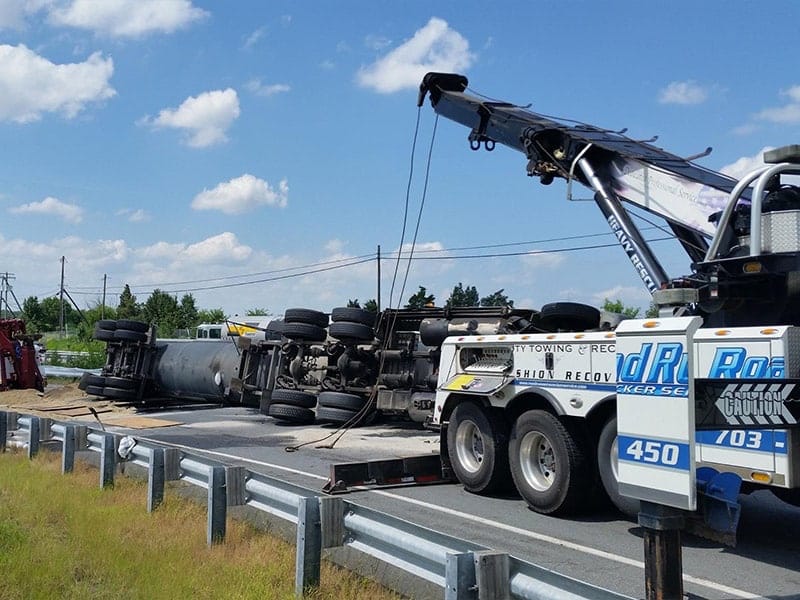
City Towing Starts With Finding Room to Work
Reston has apartment garages, office parks, shopping areas, and narrow access roads where a full-size tow truck may have little room to turn. We often have to work around curbs, landscaping, delivery vans, and drivers trying to squeeze past the scene. A vehicle parked nose-first against a wall may take longer to load than one sitting disabled in an open lot.
Clearance matters too. Some parking garages leave only a few inches above taller recovery equipment. We check the entrance height, ramp angle, and available turning space before moving in. Sending a large truck into a tight garage can create another problem before the first one gets fixed.
Highway Towing Adds Speed and Exposure
A highway shoulder may look open, but the working area can be narrow and uneven. Traffic moving at 55 or 65 mph changes how we park the truck, place warning lights, and approach the disabled unit. Soft shoulders, guardrails, and road slopes also affect where the tow truck can sit.
The operator usually positions the truck to create a buffer from passing traffic. Then we check the disabled unit for wheel damage, steering issues, fluid leaks, or impact damage before loading. On a busy road, every step has to stay organized because there is less room for repositioning.
The Road Type Helps Decide Which Truck We Send
Dispatch needs more than an address. We ask what kind of vehicle is involved, where it sits, what damage is visible, and how much space surrounds it. That information helps our dispatch team decide between a wheel-lift, rollback, heavy wrecker, or another setup.
Typical differences include:
- Rollbacks for damaged, low-clearance, or all-wheel-drive vehicles
- Compact units for garages and narrow residential lanes
- Heavy wreckers for buses, semis, and commercial units
- Longer rigging for vehicles beyond the highway shoulder
- Extra scene lighting for nighttime corridor calls
The biggest truck is not always the right truck. Reston towing works better when the unit matches the access, vehicle weight, and final destination before it leaves the yard.
Distance and Destination Affect Highway Calls
A local tow may go a few miles to a repair shop, dealership, or apartment parking lot. A highway call can involve a longer trip, a commercial repair facility, or a fleet yard outside the immediate area. We confirm that destination early during Reston towing calls so the operator can plan the route and avoid access problems at the drop-off.
Traffic patterns matter as well. A tow near Wiehle Avenue during rush hour may move slowly even after the vehicle is loaded. Reston towing around the Dulles Toll Road, Reston Parkway, and Fairfax County Parkway often requires more time than the mileage suggests.
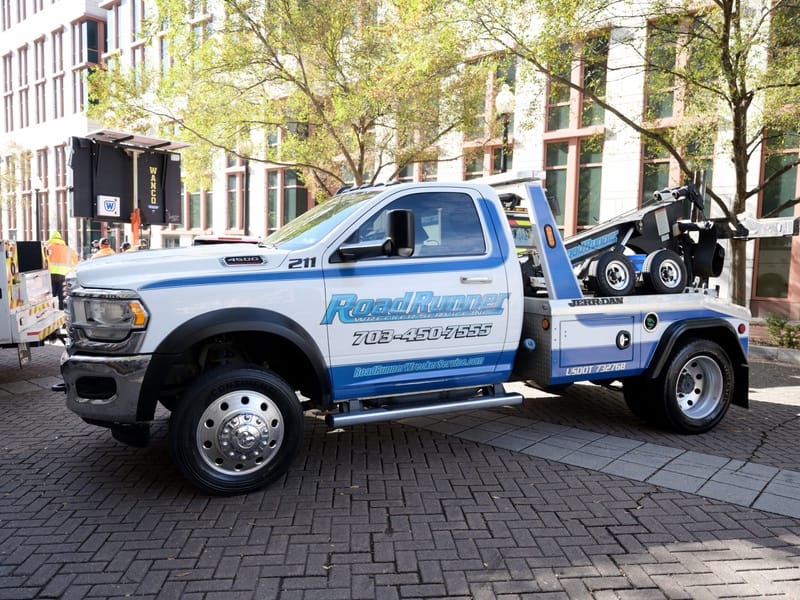
Road Runner Wrecker Service Handles Reston Towing From Garages to Highways
Road Runner Wrecker Service provides light-duty towing, heavy-duty towing, accident recovery, mobile truck repair, enclosed transport, and commercial hauling across the Mid-Atlantic. Our Reston towing operators work with modern wreckers, rollbacks, transport equipment, and dispatch tools selected for different road conditions.
With more than 200 team members, we can handle small local calls and larger highway incidents without treating them like the same job. Reston towing may mean easing a car out of a low garage in the morning, then loading a damaged commercial truck beside fast traffic that afternoon. Around Reston, the road often changes faster than the distance does.
FAQs
Can a tow truck enter an underground parking garage?
Some tow trucks can, but clearance must be checked first. Low-profile wheel-lift units often work better than full-size wreckers. Ramp angles and turning space matter too.
Why does the dispatcher ask which way my vehicle is facing?
The vehicle’s position affects how the operator approaches and loads it. That detail can prevent extra repositioning once the truck arrives.
Should I move my vehicle off the highway if it still runs?
Move it to a safer location only if you can do so without crossing active traffic or causing more damage. Use hazard lights and pull as far away from the travel lane as possible. Follow police instructions when responders are present.
Can an all-wheel-drive car be lifted by two wheels?
Many all-wheel-drive vehicles should have all four wheels carried off the ground. A rollback is often the best choice. Check the owner’s manual and tell dispatch what drivetrain the car has.
Why can a short city tow take longer than expected?
Loading space may be blocked by parked cars, curbs, gates, or low ceilings. The operator may need dollies or a different approach angle before moving the vehicle. A few miles of transport can still involve a long setup.
What should I do before the tow truck arrives?
Remove valuables and gather your keys, registration, and destination information. Tell dispatch about locked wheels, collision damage, leaks, or low clearance. Keep pets and passengers away from the loading area.