
Curbing the Panic
When a vehicle breaks down, emotions tend to spike. We see it all the time during Summit Point roadside assistance and other calls. Drivers feel rushed, frustrated, or even embarrassed. Those reactions often lead to decisions that create more problems than the original breakdown.
We spend our days helping people through these moments, and we have noticed clear patterns. Certain mistakes show up again and again. Knowing what to avoid can protect your vehicle, your wallet, and your safety.
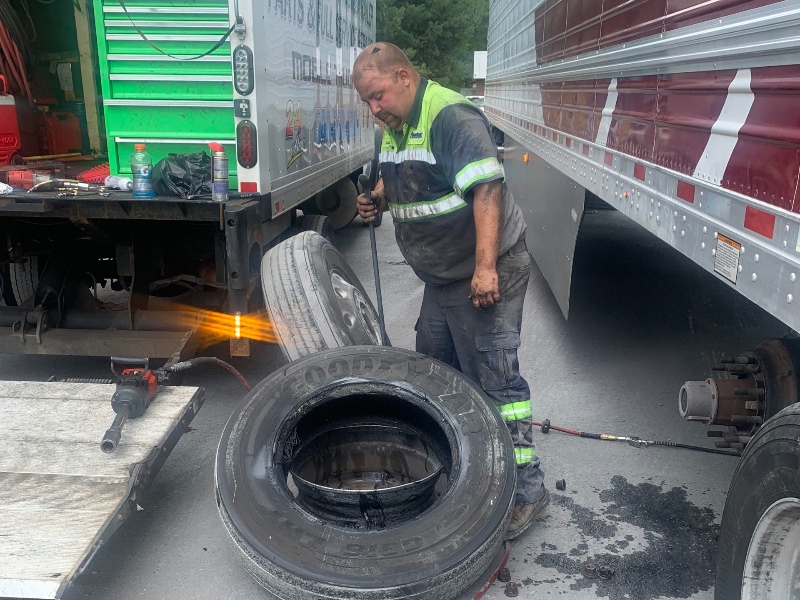
Mistake #1: Moving the Vehicle Without Checking Surroundings
One of the biggest mistakes drivers make is trying to push or steer their vehicle without taking a moment to assess traffic flow. We understand the urge to get out of the roadway quickly. Still, stepping into traffic or rolling a disabled vehicle without control creates serious risk.
Before touching the vehicle, take these steps:
- Turn on hazard lights immediately
- Check mirrors and blind spots
- Exit from the side away from traffic if possible
- Set up reflective triangles if you carry them
During roadside assistance calls, we often arrive to find vehicles positioned at awkward angles because someone tried to move them alone. A stalled engine can lock steering or reduce braking power. That makes control unpredictable. Staying visible and waiting for help often keeps everyone safer.
Mistake #2: Ignoring Early Warning Signs
Breakdowns rarely happen without warning. Strange noises, dashboard lights, vibrations, and overheating signals usually appear first. We regularly provide assistance for issues that started days earlier but were brushed aside.
A check engine light deserves attention. Grinding brakes need inspection. A battery that struggles to start in the morning is speaking clearly. When drivers delay action, small repairs turn into towing situations.
We encourage drivers to treat warning signs seriously. If you notice:
- Flickering dashboard lights
- Slipping transmission shifts
- Steam from under the hood
- Burning smells
Schedule service promptly. Quick attention reduces the likelihood of needing Summit Point roadside assistance later. It also helps maintain your vehicle’s reliability.
Mistake #3: Attempting a Repair Without Proper Knowledge
Drivers might be tempted to step out of their vehicle determined to fix the problem right there on the shoulder. The intention makes sense. Nobody wants to wait. Still, roadside conditions rarely offer a stable or controlled space to work on a vehicle. Gravel shoulders shift under jacks. Sloped pavement changes weight distribution. Passing traffic adds constant distraction.
Opening the hood without knowing the cause can also lead to injury. An overheated engine builds pressure quickly. Removing a radiator cap too soon can release scalding coolant. Reaching into tight engine spaces without proper tools can result in cuts, burns, or pinched fingers. Even something as simple as changing a tire becomes risky when the ground is uneven or soft.
Modern vehicles add another layer of difficulty. Electrical systems, sensors, and compact engine layouts limit what drivers can realistically address without training. Disconnecting the wrong component or forcing a stuck part may increase damage. What started as a minor issue can escalate into a larger repair bill.
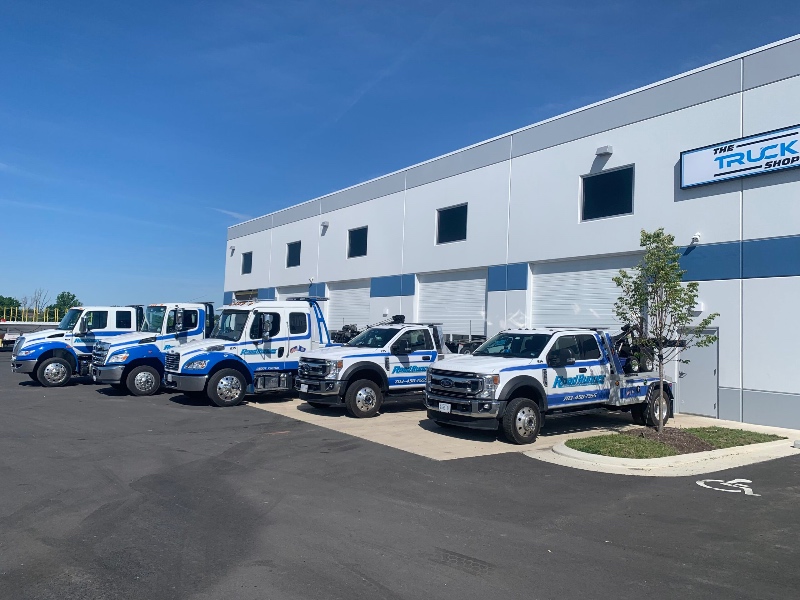
Road Runner Wrecker Services Delivers Summit Point Roadside Assistance You Can Count On
At Road Runner Wrecker Services, we focus on delivering reliable Summit Point roadside assistance every day. We serve drivers throughout the area with towing, lockout help, battery service, tire changes, and fuel delivery. Our roadside assistance team responds promptly and communicates clearly from dispatch to arrival.
We handle Summit Point roadside assistance calls with steady hands and practical solutions. Our trucks are ready for light and medium duty towing. When drivers call for Summit Point roadside assistance, we guide them through immediate safety steps while we head their way. We aim to reduce stress and restore mobility without confusion.
Breakdowns feel overwhelming in the moment. Clear thinking and the right support make a difference. At Road Runner Wrecker Services, Summit Point roadside assistance remains our daily focus, and we take pride in helping our community get back on the road.
FAQ
What should I do immediately after my car breaks down?
Turn on your hazard lights right away. Move your vehicle out of active traffic if you can do so safely. Stay aware of your surroundings and exit the vehicle from the side away from traffic if needed. Call for assistance once you are in a secure position.
Is it safe to stay inside my vehicle during a breakdown?
It depends on your location. If you are on a busy highway or near a blind curve, standing away from the roadway in a safe area may reduce risk. If you are parked well off the road with low traffic, remaining inside with your seatbelt on can be safer. Always assess traffic flow and visibility before deciding.
Can I fix my car myself on the side of the road?
Minor issues like replacing a flat tire can be manageable if you have proper tools and stable ground. More complex problems involving overheating, electrical systems, or engine components require caution. Attempting repairs without clear knowledge can cause injury or increase vehicle damage.
Why do overheating engines require extra caution?
An overheating engine builds internal pressure. Opening the radiator cap too soon can release extremely hot coolant. Allow the engine to cool completely before inspecting under the hood. Avoid direct contact with hot components.
How can I make my disabled vehicle more visible to other drivers?
Use hazard lights immediately. If available, place reflective warning triangles behind your vehicle. Raising the hood can also signal that your car is disabled. Visibility helps approaching drivers react sooner.
What items should I keep in my car for roadside emergencies?
A basic emergency kit can improve safety and preparedness. Consider keeping, reflective warning triangles, a flashlight with fresh batteries, a first aid kit, a tire pressure gauge and a portable phone charger. These items help you stay visible, communicate clearly, and manage minor issues while waiting for assistance.